Balancing Exercise and Rest: Understanding Kids’ Fitness Needs
In a world where kids are constantly on the move, from school to sport to screen time, finding the right balance between activity and rest is more important than ever. While encouraging physical activity is essential for healthy development, recovery time plays an equally important role in helping young bodies grow, perform, and stay injury-free.
Why Exercise Matters
Regular physical activity supports kids’ physical, mental, and social development. It helps build strong bones and muscles, improves coordination, and boosts cardiovascular health. Beyond the physical benefits, exercise also enhances mood, builds confidence, and teaches valuable life skills like teamwork, resilience, and discipline.
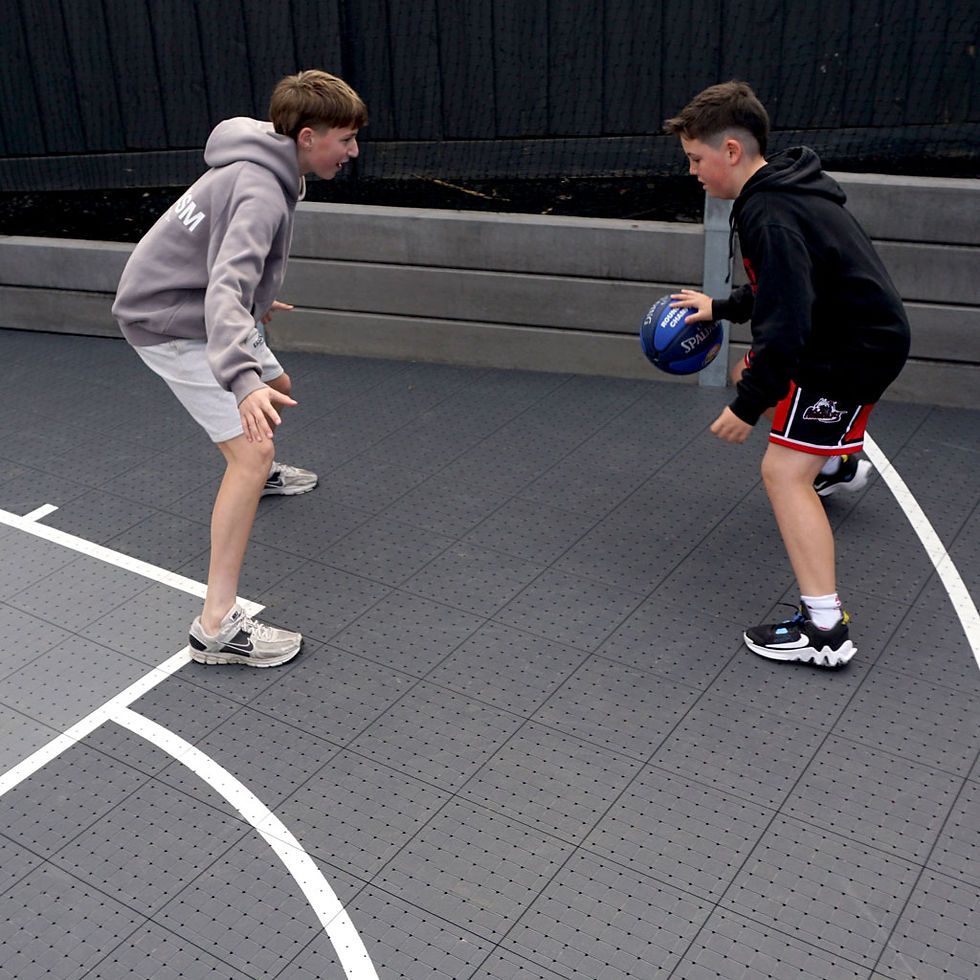
For most children, a mix of structured sport and unstructured play is ideal. Whether it’s shooting hoops in the backyard, riding bikes with friends, or participating in team training, movement should feel fun and engaging, not like a chore.
The Importance of Rest and Recovery
Just as important as movement is rest. Kids’ bodies are still developing, and recovery time allows muscles to repair, grow stronger, and adapt to physical demands. Without adequate rest, children are at a higher risk of fatigue, burnout, and injury.
Rest doesn’t just mean time off from sport. It includes quality sleep, downtime away from structured activity, and even mental breaks. Sleep, in particular, is critical, with school-aged children typically needing between 9–11 hours per night.
Signs the Balance Is Off
It can sometimes be difficult to know when a child is doing too much. A few signs to watch for include:
Ongoing fatigue or low energy
Decreased performance or lack of enthusiasm
Frequent injuries or complaints of soreness
Changes in mood, such as irritability or withdrawal
If these signs appear, it may be time to reassess their schedule and build in more recovery time.
Creating a Healthy Routine
Striking the right balance doesn’t require a strict formula, but a few simple principles can help:
Mix it up: Encourage participation in different sports or activities to avoid overuse injuries
Schedule rest days: At least one or two days each week without structured training
Prioritise sleep: Keep consistent bedtime routines to support recovery
Listen to their body: Teach kids to recognise when they need a break
Keep it fun: Avoid overloading kids with pressure or expectations
The Role of Environment
Having the right environment can make all the difference in maintaining a healthy balance. Safe, accessible spaces encourage kids to stay active in a way that suits their energy levels.
Whether it’s a local court or a backyard setup, giving kids the opportunity to play on their own terms supports both movement and rest.
At The Sporting Goat, we believe in creating spaces where kids can train, play, and recover at their own pace. A well-designed home court allows for flexible, low-pressure activity, whether it’s a quick shootaround or a full game with friends.
Finding the Sweet Spot
There’s no one-size-fits-all approach to kids’ fitness. Every child is different, and their needs will change as they grow. The goal is to create a balanced routine where exercise builds strength and confidence, and rest allows the body and mind to recharge.
By supporting both activity and recovery, we set kids up not just for better performance, but for a lifelong love of movement.